

Programmes / Soil biology
Soil
Laboratory.
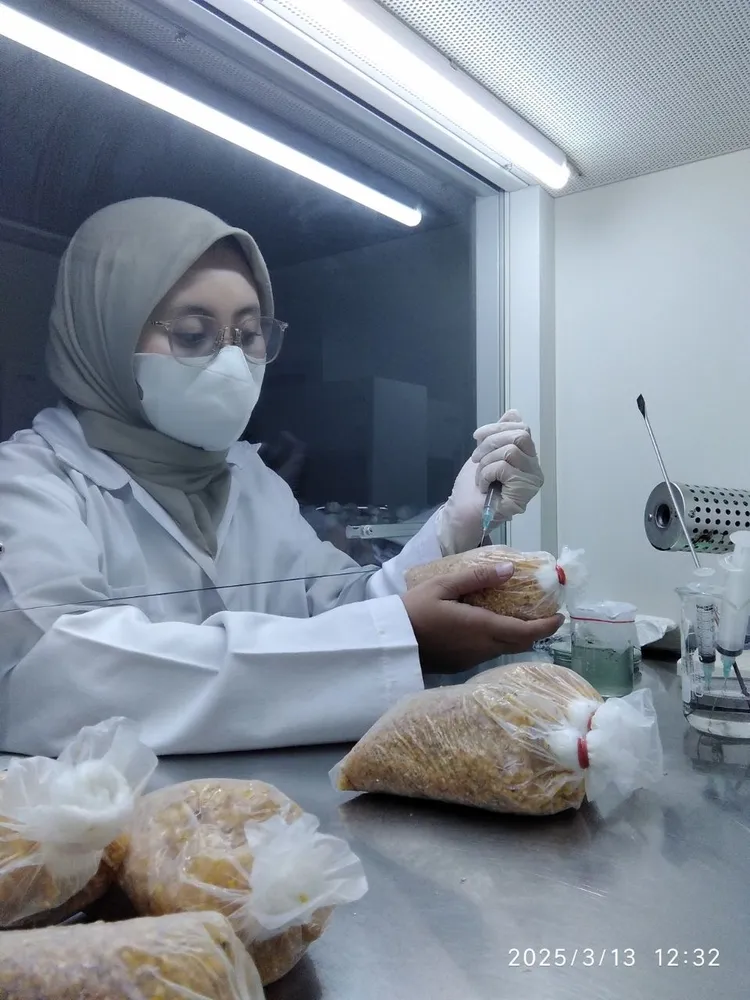
A small laboratory that grows the beneficial microbes farmers use instead of some of the chemistry.
 Soil lab

Grow
Beneficial microbes are cultured in the laboratory.
Apply
They go into nursery media and into farm compost.
Rebuild
Soil life returns, and with it some protection against disease.
Pepper is a forest vine asked to live in field soil, and field soil fed from a sack loses the life that keeps disease in check. The soil laboratory grows beneficial fungi and bacteria so that farmers can put some of that life back.
What it produces
The laboratory produces Trichoderma and PGPR (plant growth-promoting bacteria), and propagates Metarhizium, Bacillus and Pseudomonas, organisms that support plant health and help hold back soil-borne disease.
Where it goes
Its products are used in the hub nurseries before seedlings are planted, and in compost, where a Trichoderma solution speeds up the breakdown of farm waste.
Why compost matters
An independent study of 85 farms found that about 95 percent of the emissions from growing pepper come from synthetic fertiliser. Replacing it fully with compost could cut those emissions by about 63 percent.
What it builds
- Living soil instead of soil fed only from a sack
- Less dependence on synthetic fertiliser and pesticide
- Biological inputs made locally