

The network
Thirteen hubs,
two provinces.
Community-run places where practical agroforestry support takes root.
What a spice hub is
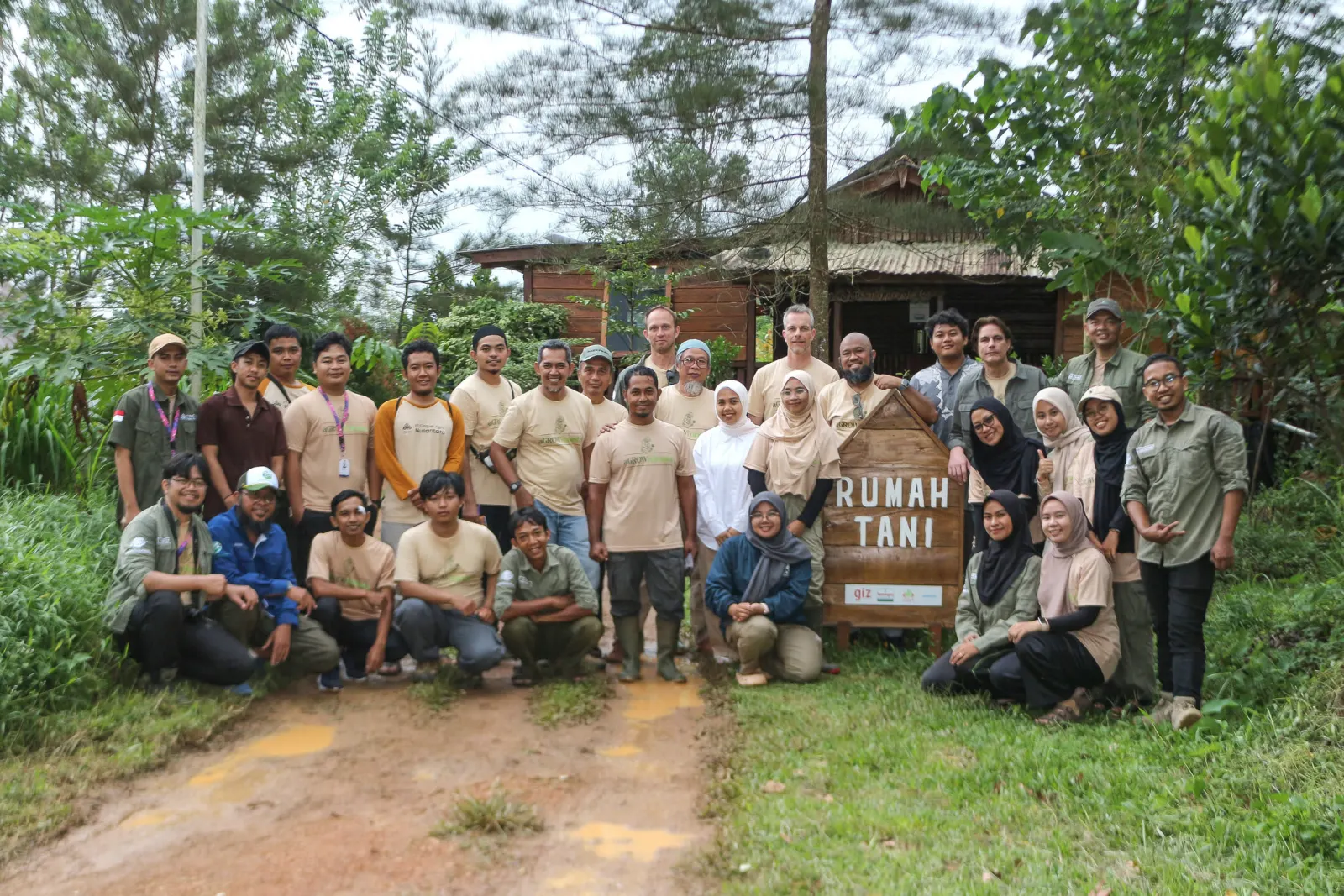
A Spice Hub is a local base for the work around it. It brings a farmer group, field trainers, planting material, shared facilities, and market connections into the same place—so farmers do not have to navigate a transition alone.
A place to practise
Hubs make new methods visible. Farmers can observe planting material, biological inputs, and field practices before deciding what fits their own land.
A team that stays
aGROWforests describes Change Makers as field trainers embedded in the communities they serve. They connect group learning with day-to-day problem solving in the field.
Shared infrastructure
The hub model connects nursery work, consultation, learning sessions, and post-harvest support—capabilities that are difficult for one household to build alone.

What a hub holds
 Nursery
 Training floor
 Consultation desk
 Meeting point
Gather locally
A farmer group and a trusted local place make a shared starting point.
Learn in practice
Training, field visits, and consultation turn information into decisions.
Keep value connected
Shared facilities and records help link farm practice to market relationships.
Every aGROWforests programme runs from the hub: the nursery, demoplots, the soil lab, post-harvest and more. See the programmes →
Where they are
 Bangka
BelitungLampung
 10 spice hubs, Bangka Belitung
 3 spice hubs, LampungMap data: geoBoundaries (ODbL), © OpenStreetMap contributors · contours: AWS Terrain Tiles