Our Initiative
Demoplot
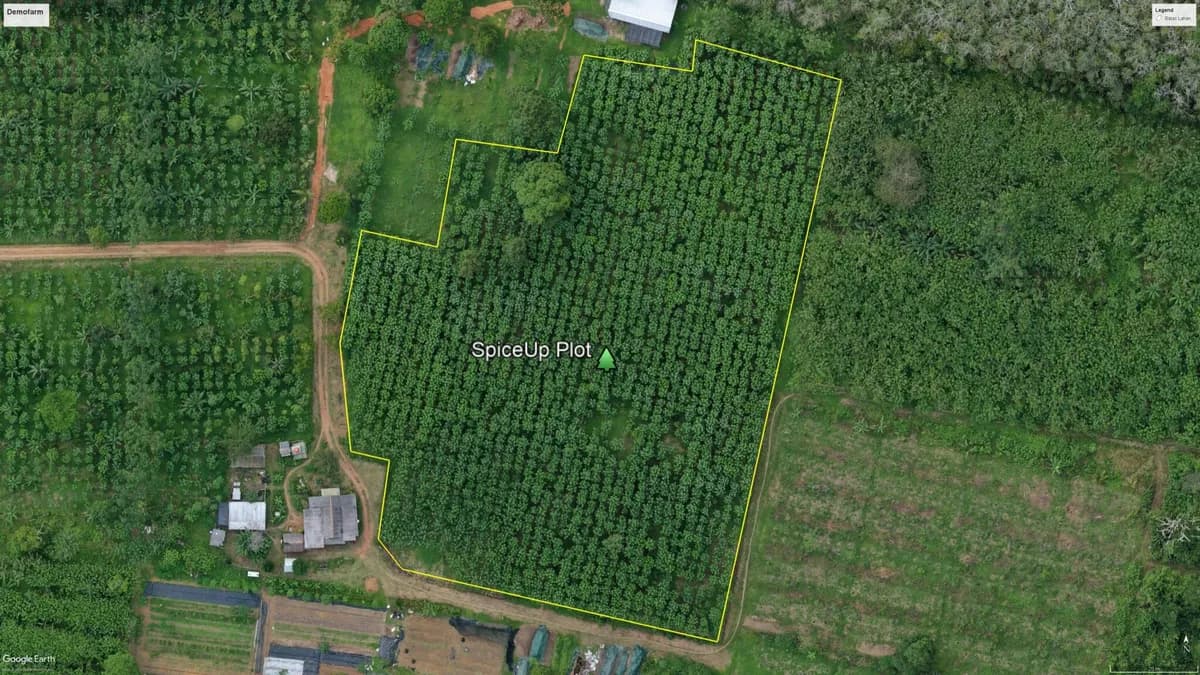
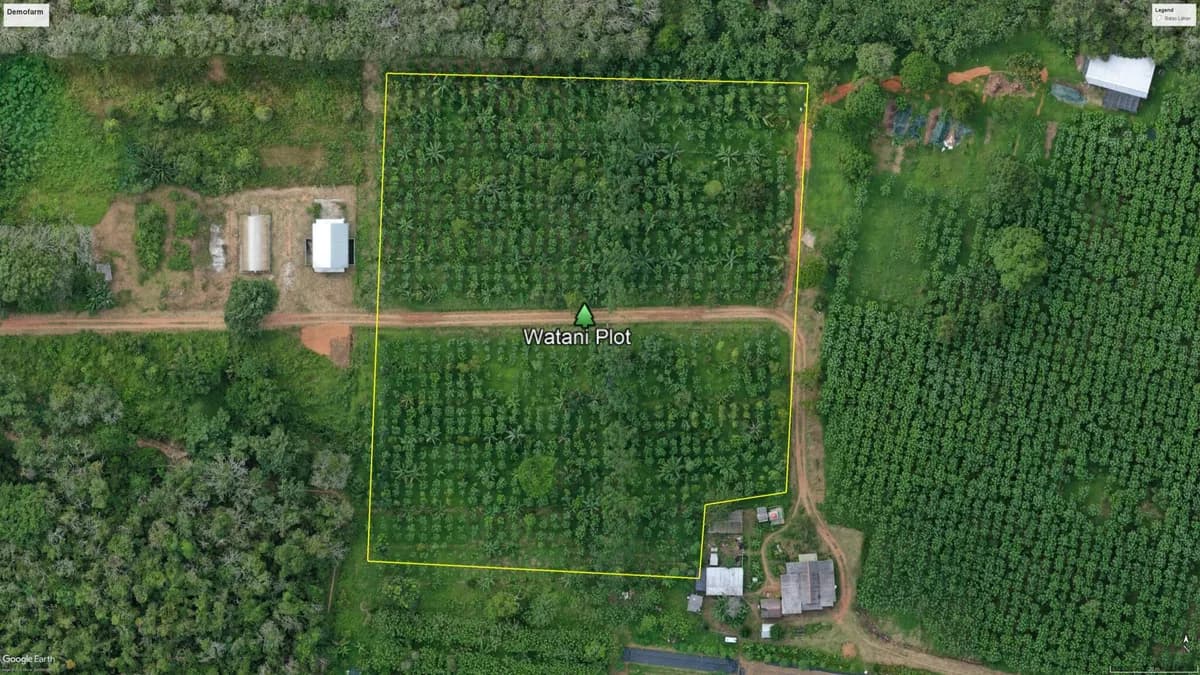
A demoplot is a small-scale demonstration plot used by farmers to experiment with and showcase innovative agricultural practices. In Bangka Belitung, it integrates pepper cultivation with agroforestry systems, managed by smallholder farmers as a live learning space for sustainable farming.
What the Demoplot Does
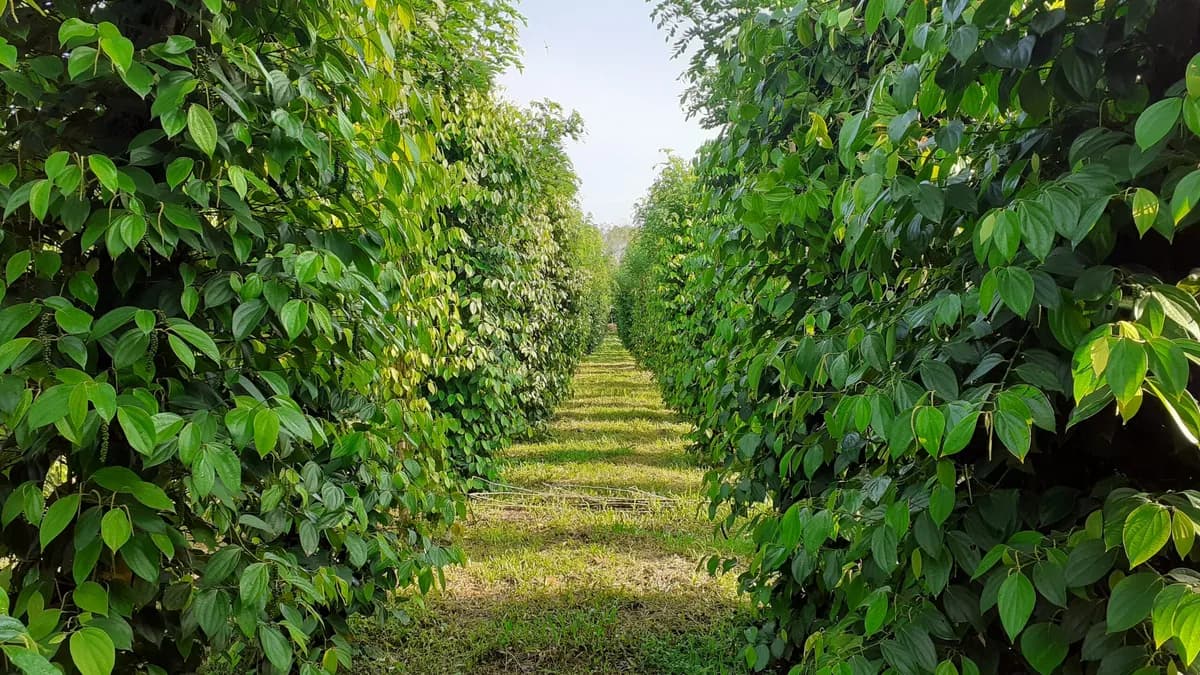
The demoplot is established to empower smallholder farmers in Bangka Belitung to adopt climate-resilient and economically viable agroforestry practices. It demonstrates a working model of black pepper intercropped with multipurpose trees and complementary species, helping farmers see what regenerative farming looks like in practice.
White pepper (Piper nigrum) has long been a signature crop of Bangka Belitung. Monoculture practices, land degradation, and climate change, however, have reduced productivity and put farmer livelihoods at risk. Agroforestry offers a regenerative alternative that restores soil fertility, enhances biodiversity, and creates diversified income streams. The demoplot localizes this transition and makes it accessible to rural farming communities.
Demoplot Objectives
Demonstrate Regenerative Practices
Showcase an integrated model of pepper-based agroforestry that enhances ecological balance, soil health, and water retention.
Farmer-Led Learning Site
Serve as a hands-on learning ground where farmers can observe, learn, and replicate best practices in their own fields.
Diversify Income Streams
Introduce multi-crop systems (fruit trees, timber, medicinal plants) to reduce dependence on pepper and build economic resilience.
Promote Community-Based Innovation
Enable knowledge sharing, peer-to-peer mentoring, and collaborative problem-solving among local farmers.
Strengthen Market Linkages
Position the demoplot within traceable supply chains that reward sustainable practices with better market access and price premiums.
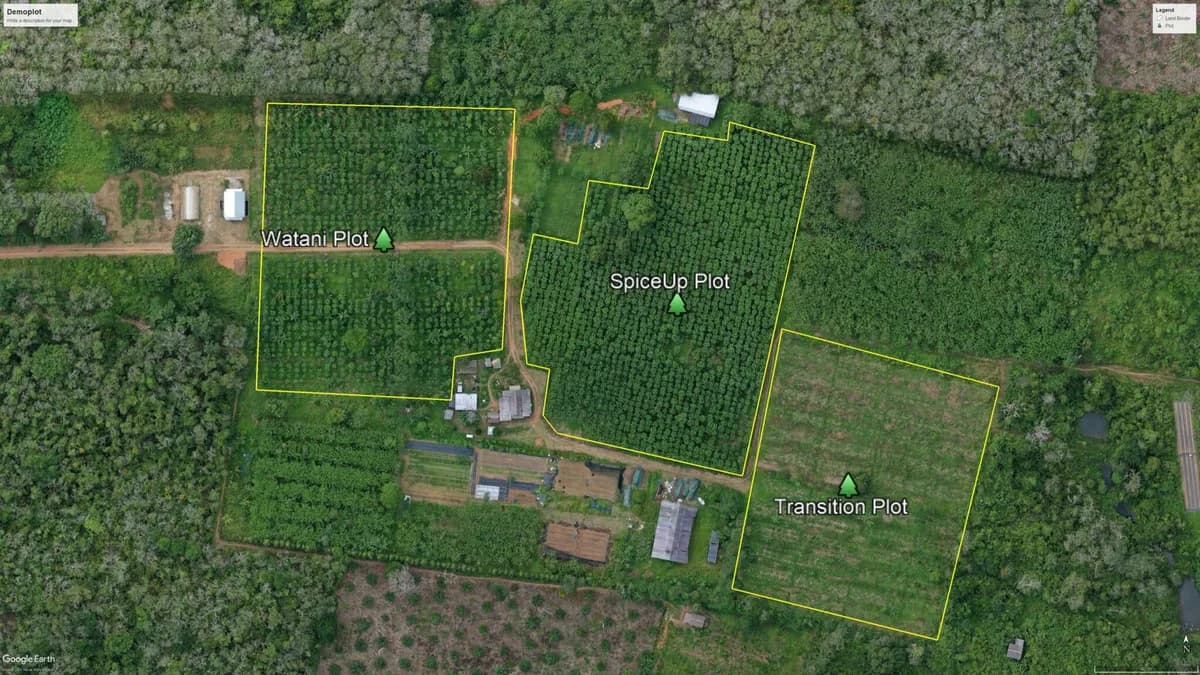
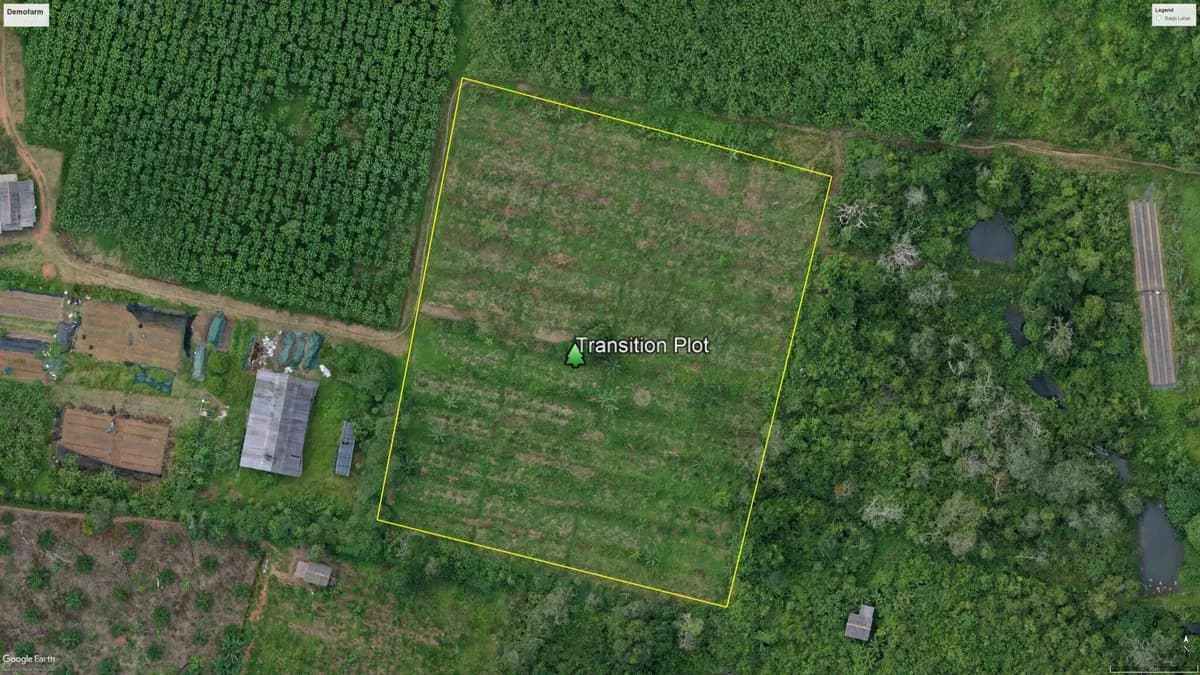
Demoplot Bangka
Area3.15 ha
Pepper trees
- Immature: 907
- Mature: 1,034
- Damaged: 632
White pepper production
- 2023: 487.4 kg
- 2024: 590.2 kg
White pepper productivity
- 2023: 0.40 kg per tree
- 2024: 0.53 kg per tree
Data based on pepper plant census as of December 2024.
Demoplot Bangka serves as the core reference site for pepper-based agroforestry in the region. It tracks plant populations, productivity, and system performance over time so farmers and partners can see how regenerative practices perform at field scale.