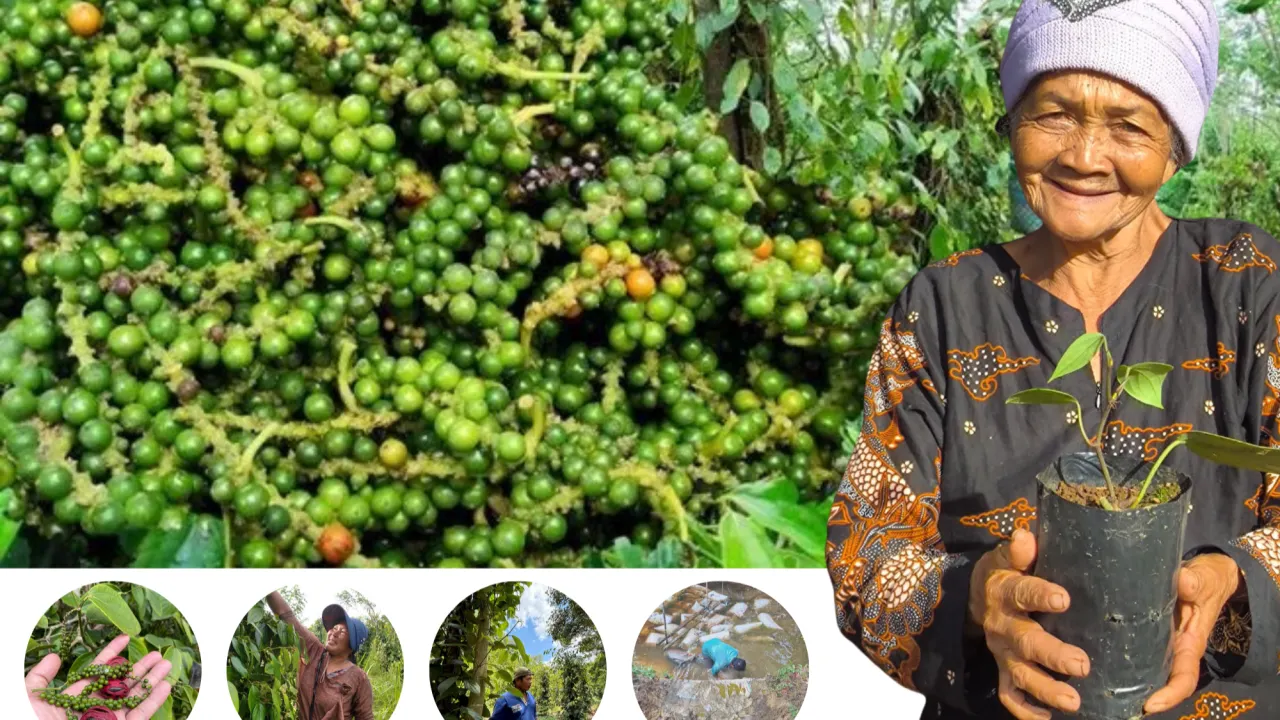

Lampung and Bangka, Indonesia In the heart of Indonesia’s western archipelago, the provinces of Lampung and Bangka have long stood as twin pillars in the nation’s pepper industry. Yet beyond their economic significance, pepper or lada, as it is known locally holds deep cultural roots, shaping the identity, tradition, and livelihoods of local communities for generations.
A Cultural Heritage Rooted in the Soil
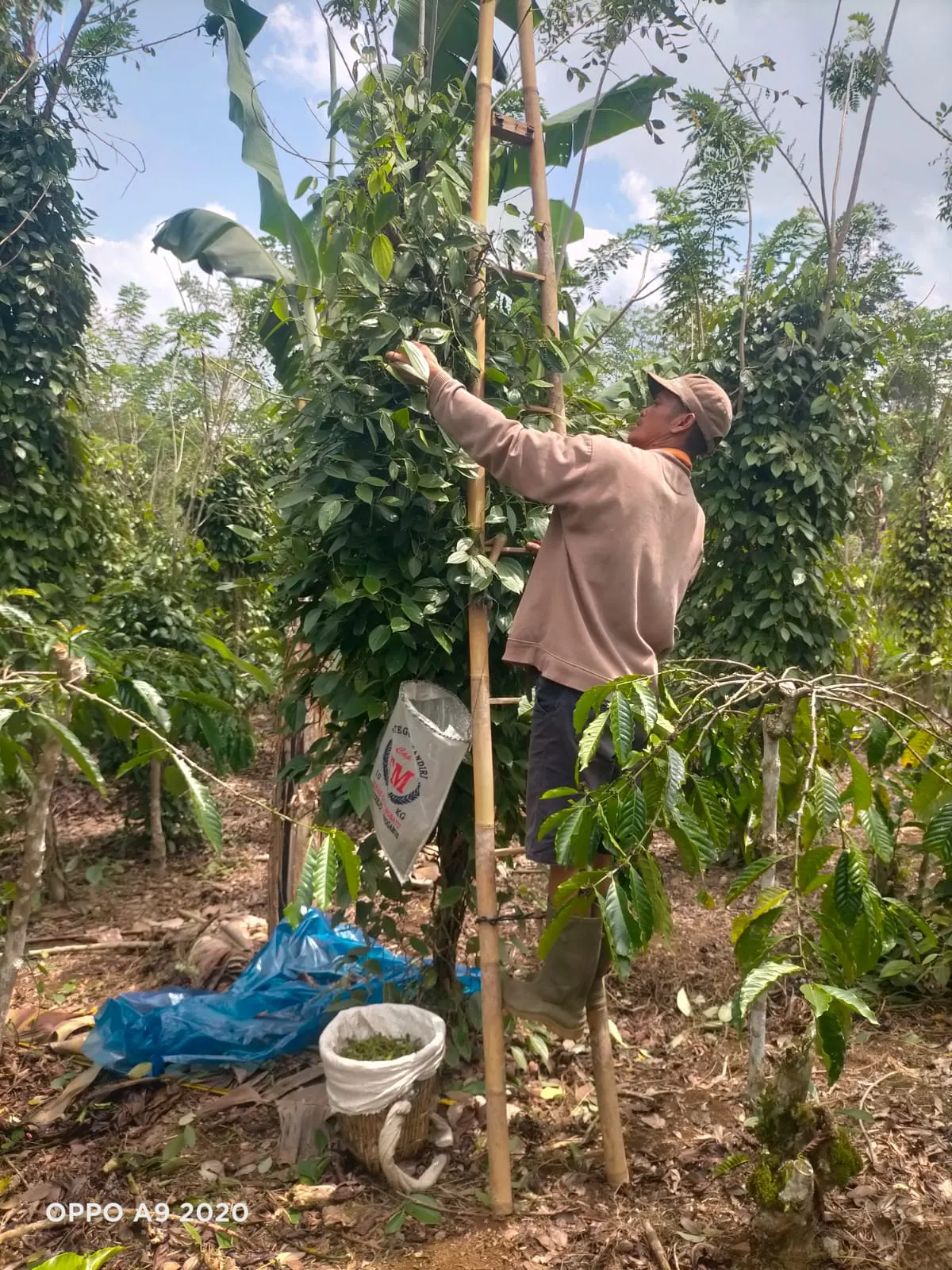
In Lampung, pepper farming is more than agriculture it is heritage. The Lampungese people have cultivated black pepper (lada hitam) since the Dutch colonial era. Pepper fields are often passed down through generations, and rituals surrounding planting and harvesting reflect a blend of animist traditions and Islamic practices. The crop plays a role in local ceremonies, dowries, and community feasts.
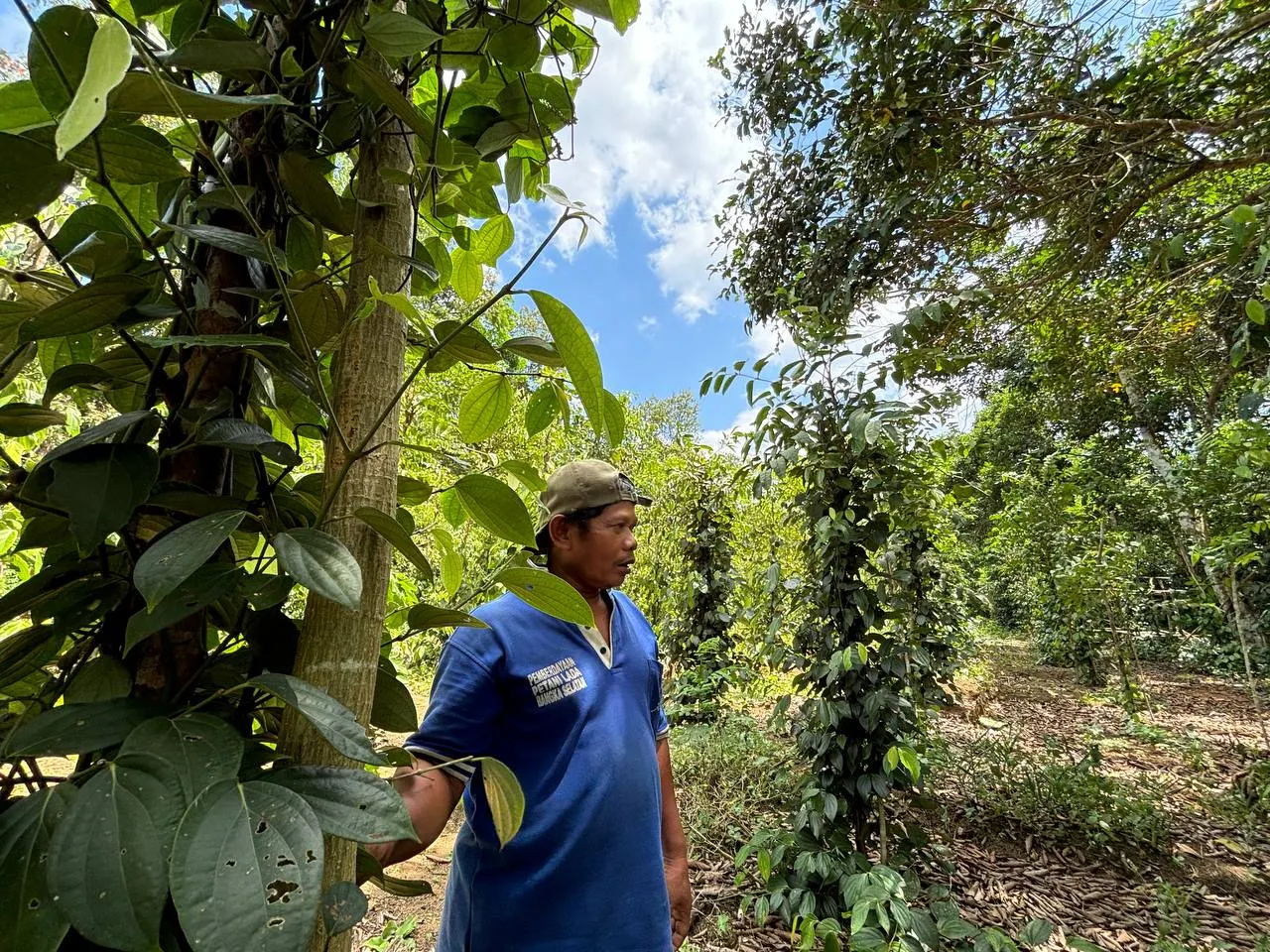
Similarly in Bangka, white pepper (lada putih) is deeply embedded in the social fabric. Local wisdom in Bangka’s Malay and Chinese-descendant communities includes pepper cultivation techniques refined over centuries. Folklore even attributes prosperity and misfortune to how well a family maintains its pepper garden.
Geo-Economic Significance in Southeast Asia
Geographically, both Lampung and Bangka benefit from tropical climates, volcanic soil, and monsoon patterns ideal for pepper cultivation. Lampung’s strategic location on the southern tip of Sumatra connects it to global shipping routes via the Sunda Strait, making it a key exporter since the colonial spice trade.
Bangka, an island province better known for its tin mining, has carved out a niche as a global supplier of high-quality white pepper. Though smaller in scale, Bangka’s Muntok white pepper is renowned in gourmet markets worldwide for its sharp, clean flavor and is a staple in European kitchens.
Together, these regions contribute significantly to Indonesia’s position as one of the world’s top three pepper producers. Export revenues from pepper provide essential income for smallholder farmers and contribute to regional development.
Challenges and the Road Ahead
Despite their historical strengths, both provinces face modern pressures. Climate change, land degradation, and fluctuating global prices threaten small-scale production. Additionally, younger generations are increasingly moving away from agriculture, leaving aging farmers to maintain the fields.
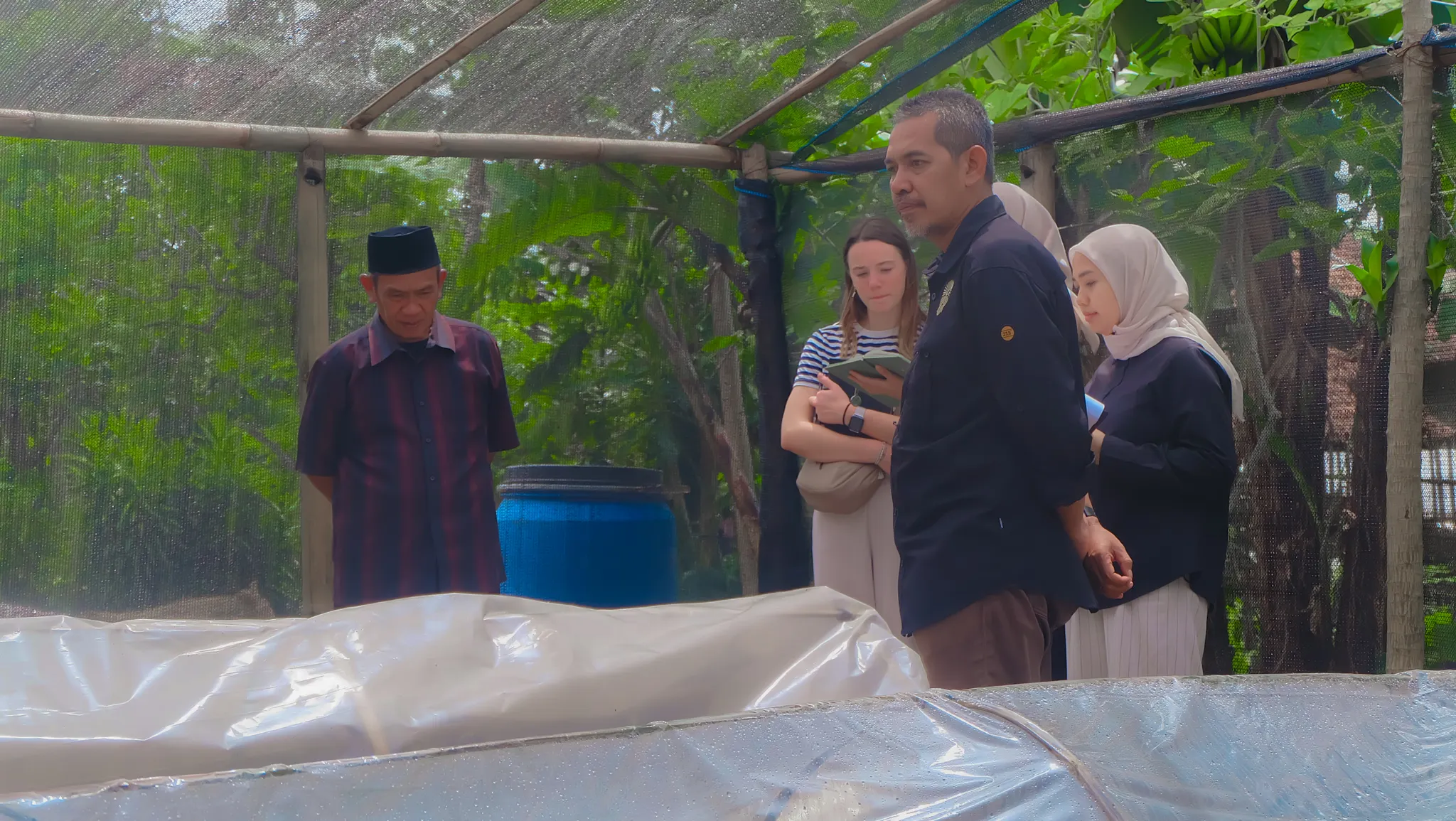
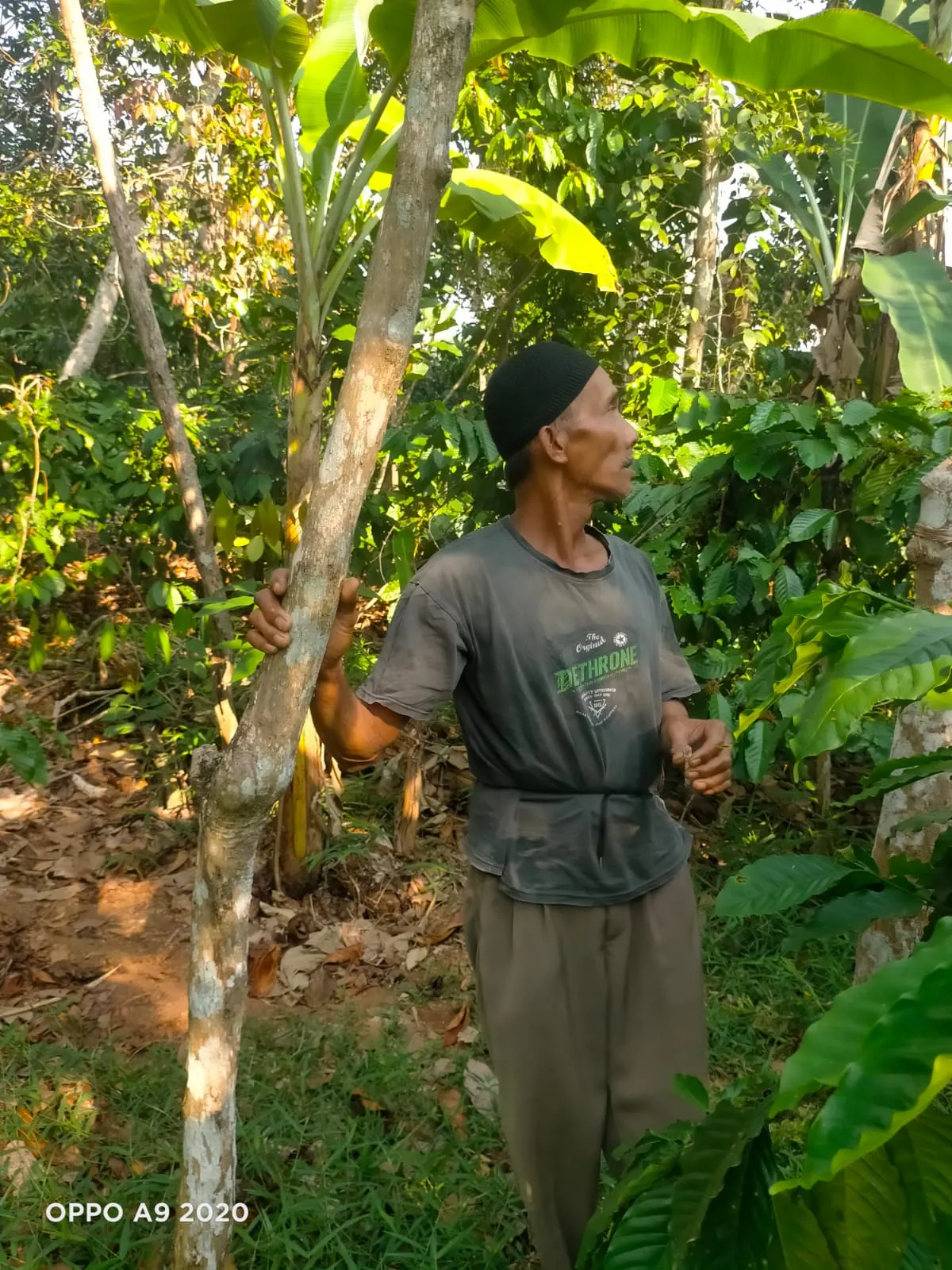
To address these challenges, local governments and cooperatives are promoting pepper agroforestry, digital market access, and sustainable farming practices. Cultural tourism linked to pepper heritage is also being explored as a means of preserving local identity while boosting rural economies.
More Than a Spice
In Lampung and Bangka, lada is more than a commodity it is a mirror of local resilience, adaptability, and pride. From ancient traditions to modern exports, pepper connects these communities to a global history while anchoring them in their cultural roots. As the world rediscovers the value of ethical and sustainable spices, the story of Indonesian pepper and its people continues to resonate far beyond its shores.