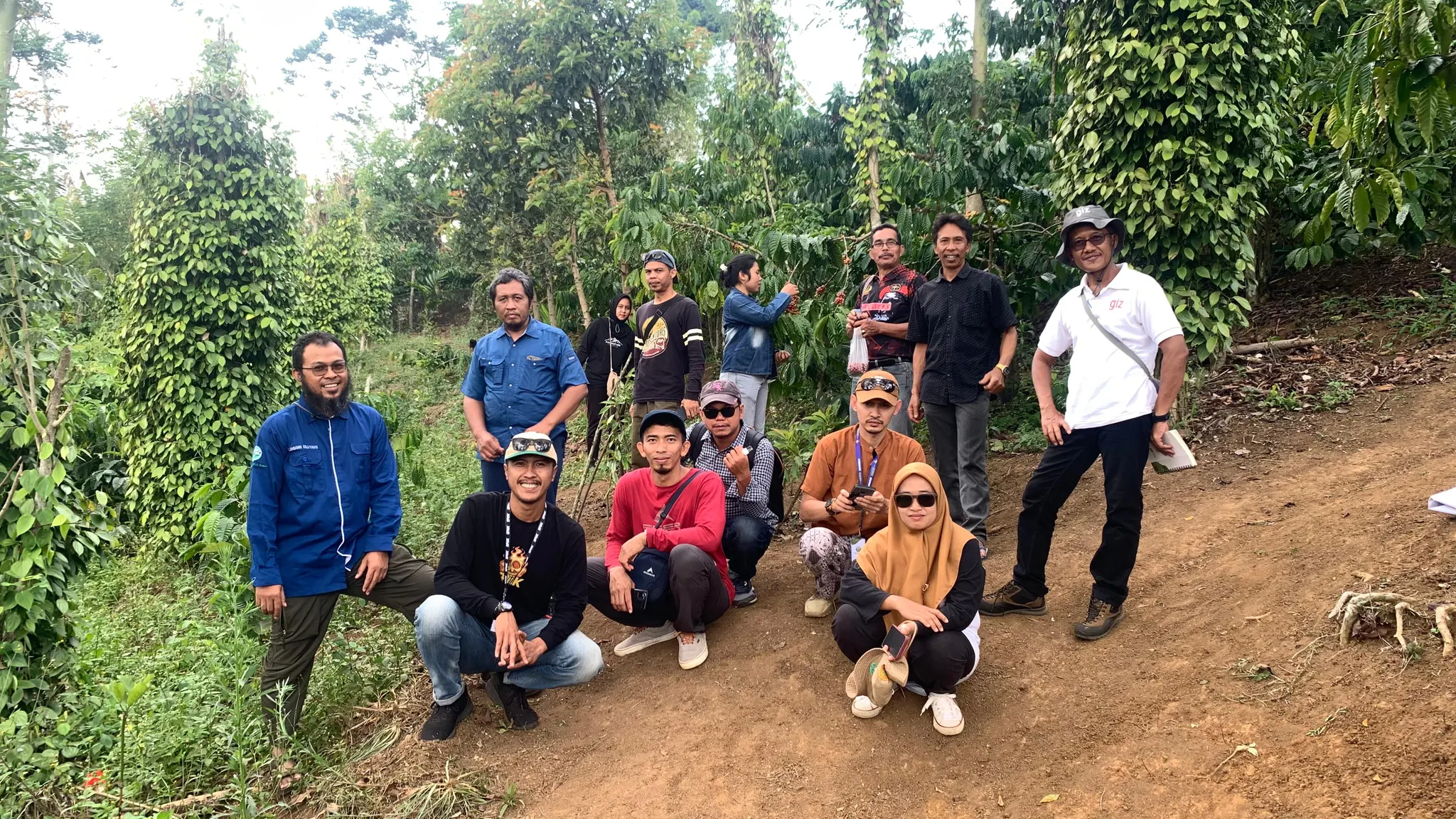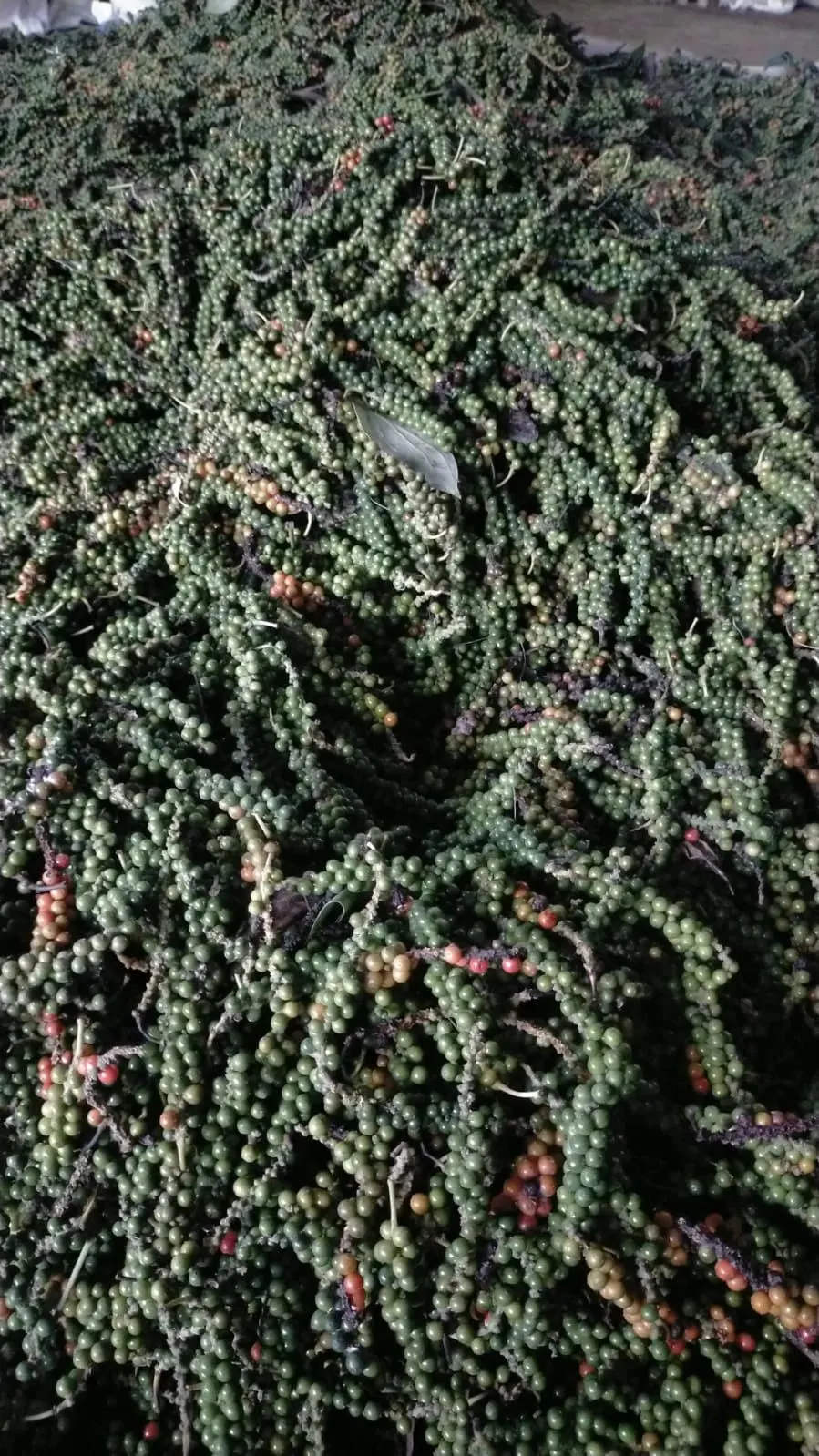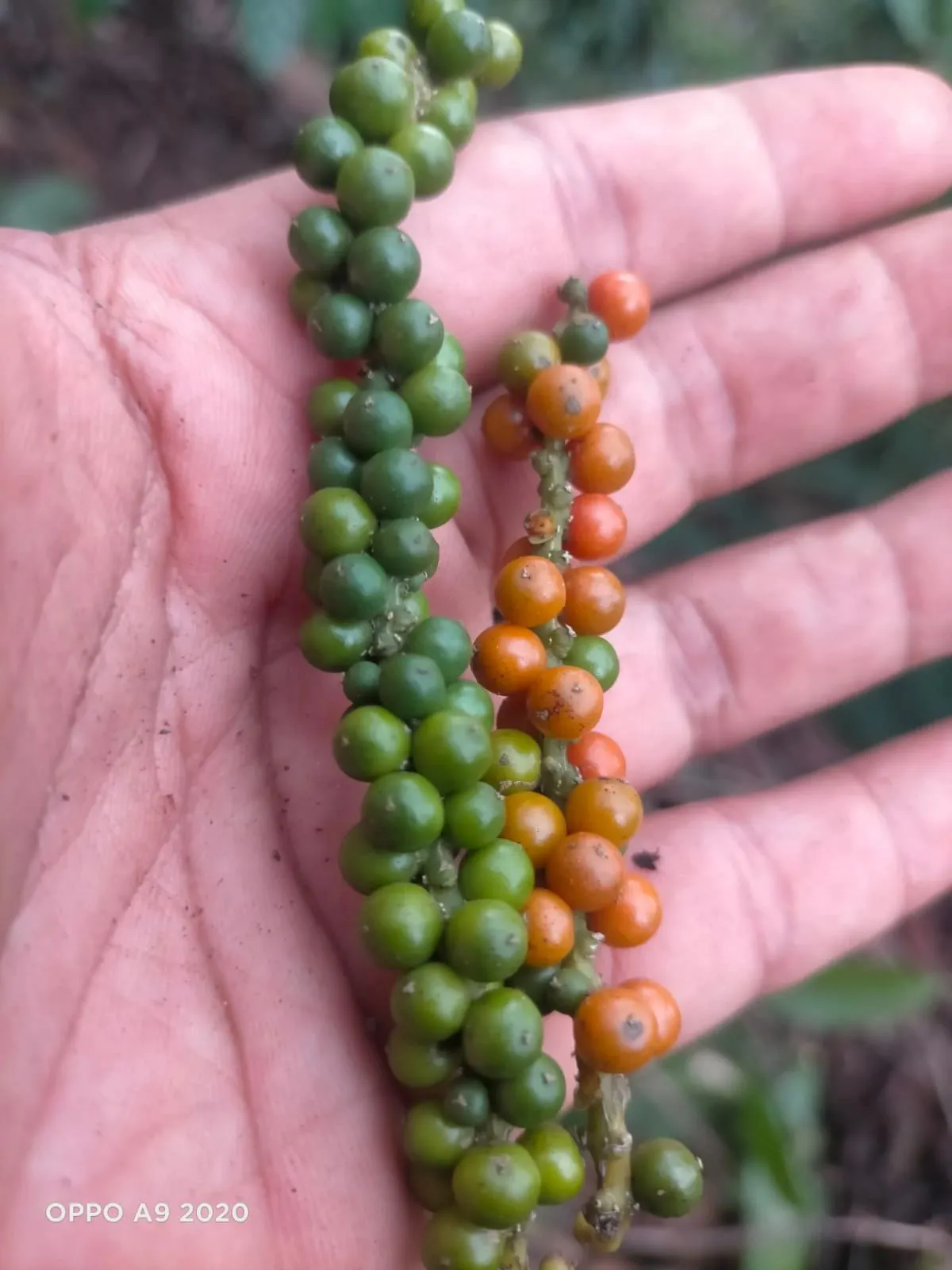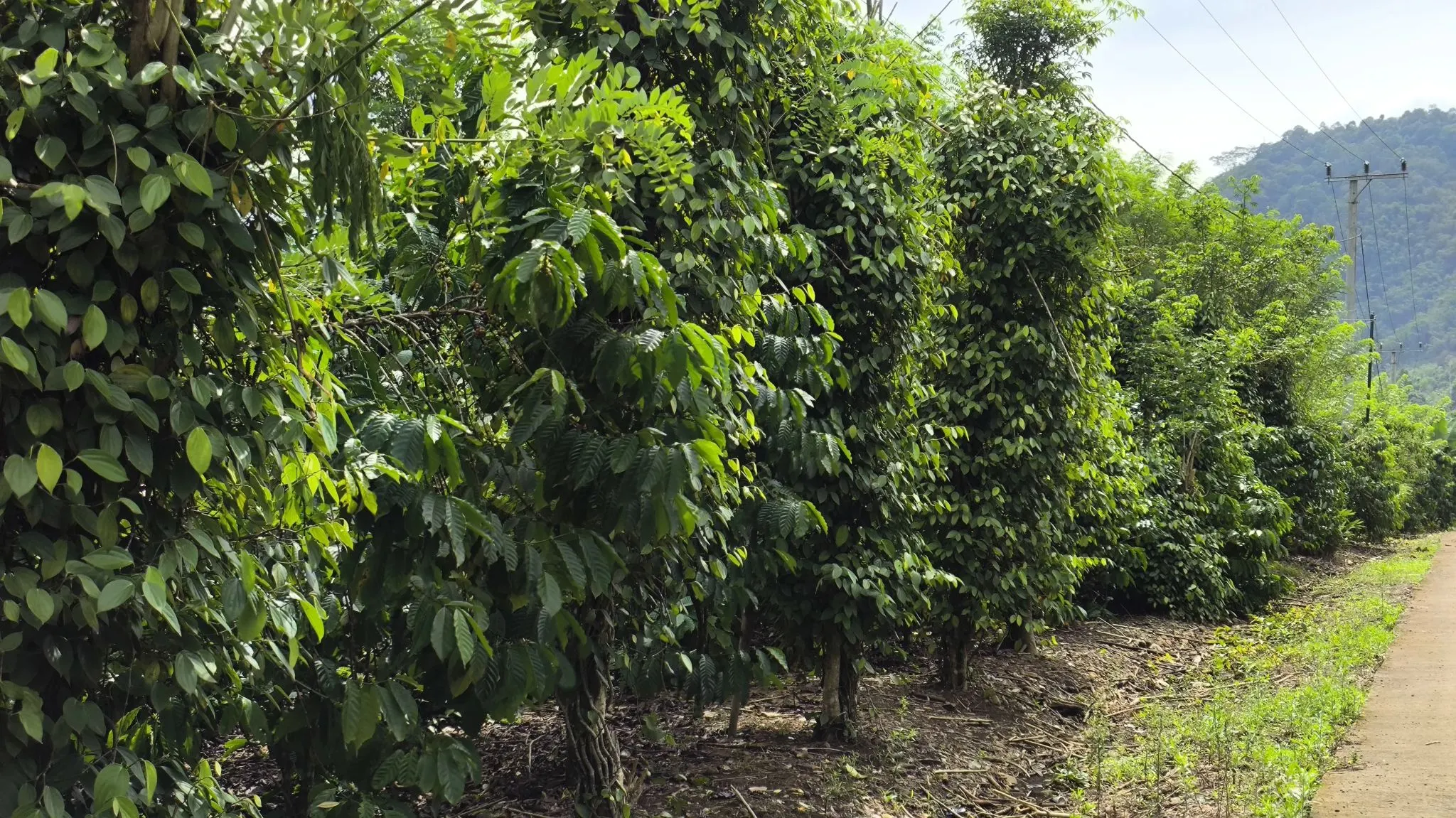

Characteristics, Berry Weight, and Planting Systems as the Foundation of SpiceHub Lampung.
Agroecological Characteristics
Ulu Belu (Tanggamus):
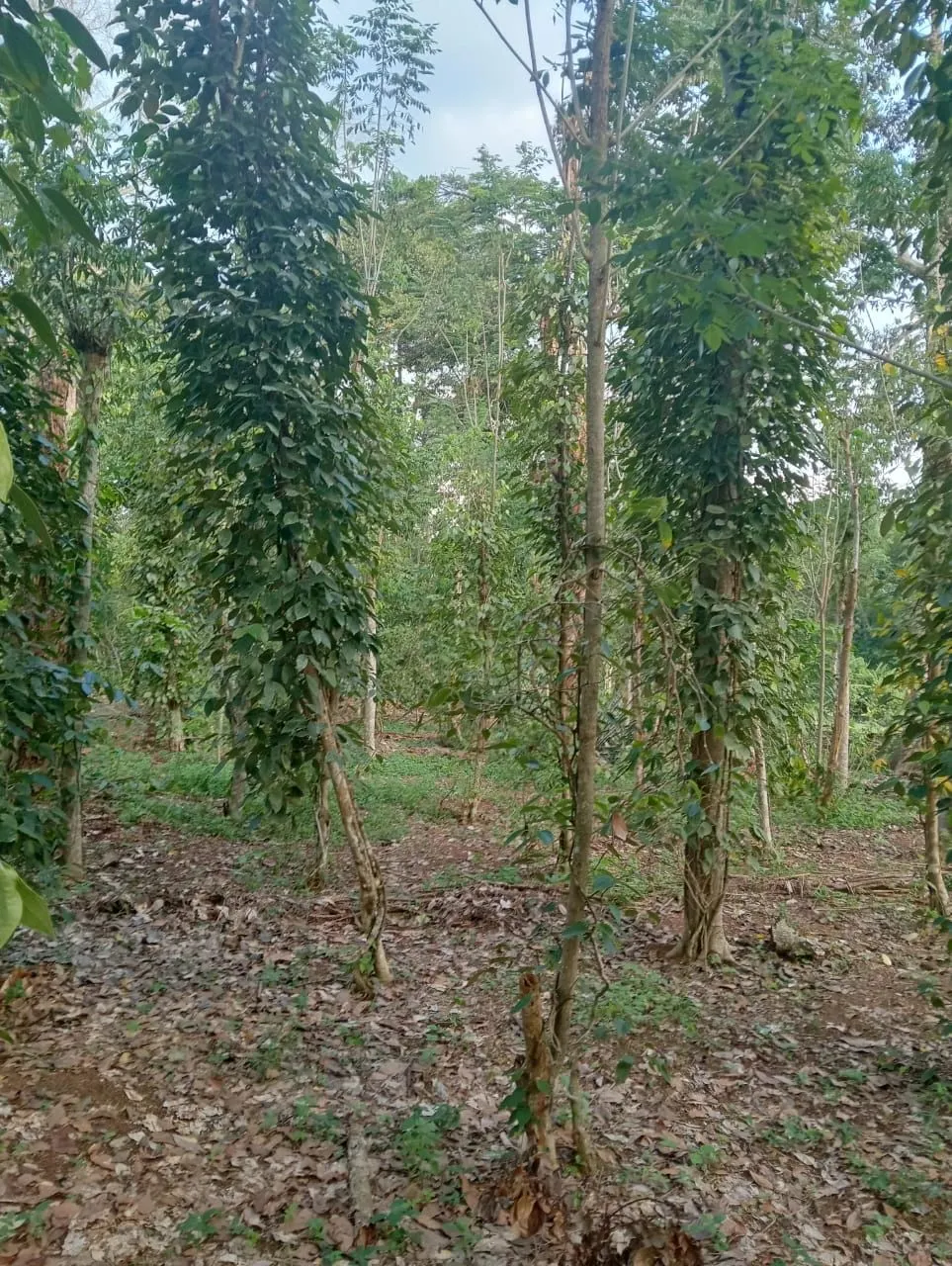
- Highland climate ensures longer berry-filling period and stronger vegetative growth.
- Agroforestry systems with moderate shade (coffee/clove/timber trees) create favorable microclimates and reduce hollow berries.
- Challenge: high humidity triggers root and stem diseases; requires drainage and sanitation.
Abung Tengah (North Lampung):
- More distinct dry season leads to water stress during flowering and berry filling.
- Shade is lighter; facilitates easier harvest and faster drying but risks smaller berries in drought years.
- Challenge: water management through mulching, contour trenches, and soil organic matter improvement.
Implications for SpiceHub Lampung
Dual Corridor Strategy:
- Ulu Belu Corridor: premium quality (larger berries, higher density), suited for specialty and export markets.
- Abung Tengah Corridor: stable volume, reliable supply, suited for bulk industrial processing and mainstream exports.
The contrasts between Ulu Belu and Abung Tengah are not limitations, but opportunities. By positioning Ulu Belu as the source of premium, high-density pepper and Abung Tengah as a hub for volume and continuity, SpiceHub Lampung can serve multiple market segments. With standardized measurement protocols, site-specific agronomy services, and differentiated post-harvest systems, Lampung pepper can achieve stronger global recognition and deliver more value to farmers.